
Weeks 1–2
Pain
Calm the pain down.
Hands-on techniques calm the irritated joint and take the edge off inflammation, starting your very first visit.
What We Treat
The knee that clicks going up the stairs. The shoulder that aches before it rains. It’s fixable, and it starts with a cause-first evaluation, not a guess.
Sound Familiar?
Two or more? Keep reading.
Why It Happens
Your joint doesn’t ache for no reason. It’s usually some mix of four culprits: cartilage that’s worn thinner than it used to be. Muscles around the joint that quietly weakened and stopped sharing the load. Old injuries that never fully healed, and now flare under the same stress. And daily habits, how much you sit, how you move, that keep loading the joint the same way before it gets a chance to recover.
None of that shows up on a quick glance. It takes a real, cause-first evaluation to sort out which one is actually driving your pain. That’s why over-the-counter pain relief and rest so often fall short: they quiet the symptom for an afternoon, not the source. Find the real cause, and the fix gets obvious.
The Honest Truth
Nobody regrets starting too early. Every week, someone in our clinic says they regret waiting.
How We Fix It
Every plan has clear goals. Here’s what the four phases look like for joint pain.
Weeks 1–2
Pain
Hands-on techniques calm the irritated joint and take the edge off inflammation, starting your very first visit.
Weeks 2–6
Prime
Targeted mobility work restores motion in the joint that’s been quietly stiffening.
Weeks 6–10
Perform
Progressive strengthening builds the support around the joint that’s been missing.
Weeks 10+
Prevent
Kneeling, climbing, and gripping get tested under real load before you’re cleared to go all-in: that’s the milestone we build toward.
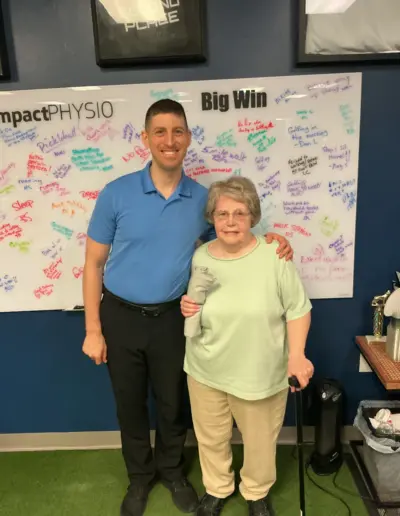
The physical therapists and staff at Impact Physio are amazing! I’ve had sessions with all of the therapists for multiple sports-related injuries. The team is top notch, and they use a variety of techniques, exercises, and technology to diagnose and fix the problem. They check in between appointments to see how I’m feeling and to make sure the home exercises are helping.
Shared by Kate H. · Joint Pain
Week 1: could barely kneel down to garden
Week 8: back on the floor playing with the grandkids
Questions, Answered
Usually not right away. Most joint pain responds well to a hands-on evaluation before any imaging is needed, and X-rays often show wear and tear in joints that don’t hurt at all, so they don’t always point to the real cause. If imaging ever becomes genuinely useful, we’ll help you get it. You don’t have to wait on a scan to start feeling better.
In most cases, yes, and it usually helps more than rest does. Total rest lets the muscles supporting the joint weaken further, which makes the ache worse over time. The key is dosing the right movement for your specific joint, which is exactly what a Physical Therapist sorts out at your evaluation, then progresses safely as you improve.
Most patients feel meaningful change within 4–6 visits. A full plan for joint pain runs through all four phases, Pain, Prime, Perform, and Prevent, typically over 8–10 weeks, depending on how long you’ve been dealing with it. Either way, you get a clear plan with milestones: you’ll always know which phase you’re in and what’s next.
Book Your Visit
Request a time and a real person calls you back, usually within two business hours. No phone tree. No ‘someone will reach out.’ Just a plan.
5.0 · 286+ Google reviews
Typical response: under 2 business hours
Step 1 of 5
That’s the hard part done. We’ll call during business hours to lock in your time. We’ll call to find the soonest available time.
Visit Us